
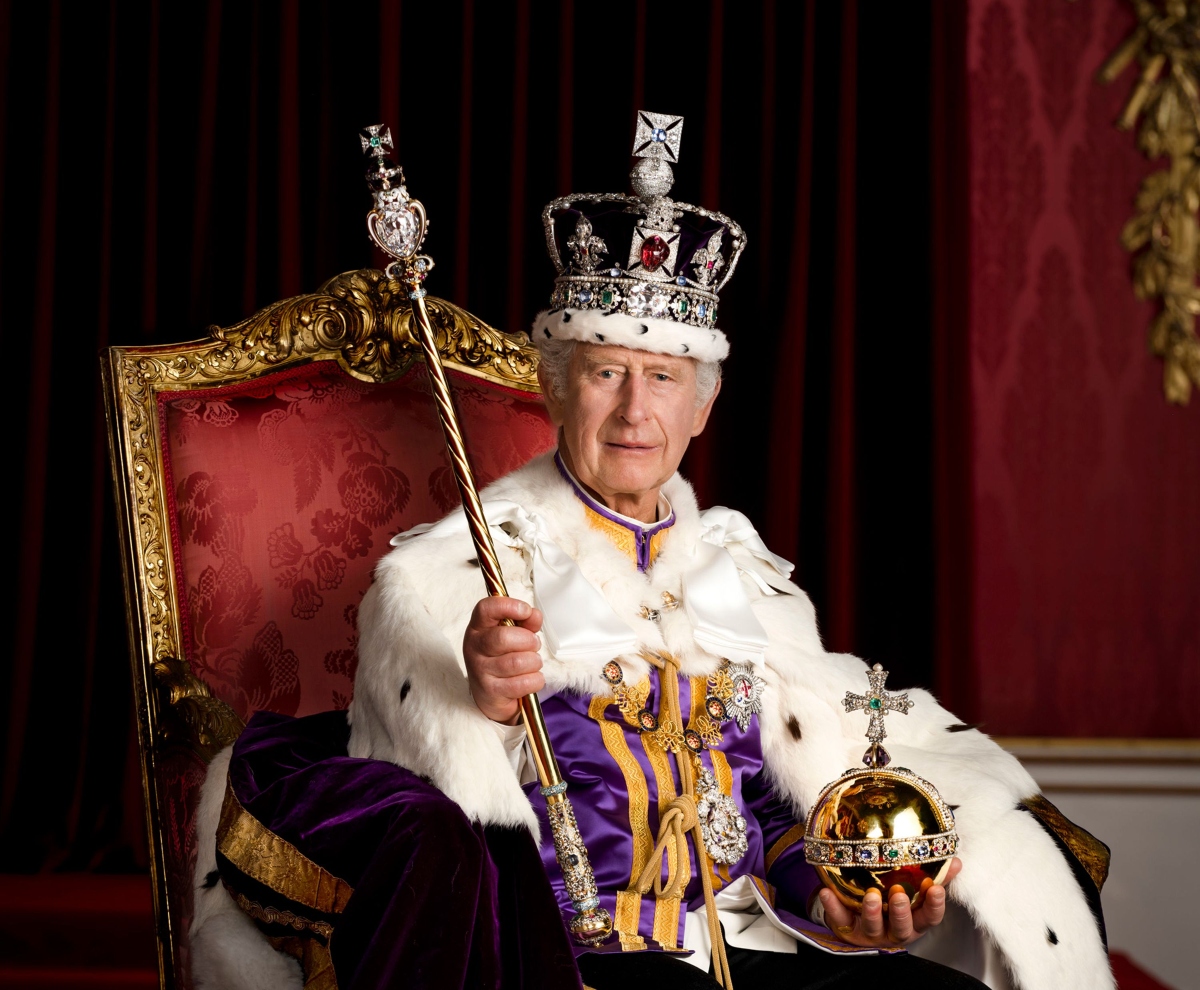
The monarch’s famously precise morning ritual has been a palace kitchen challenge for decades.
For a man who carries the responsibilities of a modern monarchy, King Charles III is surprisingly unwavering about one very small detail: breakfast. While many people grab toast or skip the meal altogether, the King has spent decades insisting on a perfectly cooked three-minute egg — and palace chefs have reportedly gone to extraordinary lengths to make sure it arrives just right.
King Charles Breakfast Rule:
Royal routines are rarely accidental. From wardrobe protocols to daily briefings, structure is part of the institution. But when it comes to the King’s morning meal, the precision borders on legendary.
The now-famous “three-minute rule” applies specifically to his soft-boiled eggs. Cooked for exactly three minutes — not two, not four — the result is what many describe as a “coddled” egg, with a delicately set white and a rich, runny yolk at the center. Achieving that consistency once is easy. Achieving it every single morning, under royal standards, is something else entirely.
According to former palace kitchen staff, the solution was almost scientific. Instead of boiling a single egg and hoping for perfection, chefs would reportedly cook as many as seven at once. Each egg was timed slightly differently and lined up in order of doneness. That way, if one fell short of expectations, another would be ready as backup.
It wasn’t extravagance. It was precision.
The practice highlights something often overlooked about the monarch: discipline. Long before he ascended the throne, Charles was known for structured habits and a deep commitment to routine. Former aides have noted that he frequently skips lunch altogether in order to work through the afternoon. That makes breakfast not just a preference, but the foundation of his daily schedule.
And it isn’t just the egg.
The King is a longtime advocate for organic farming and sustainability — values he has championed for decades at Highgrove House, his private Gloucestershire estate. Much of the fruit served at breakfast is sourced from his own gardens, reinforcing his personal commitment to fresh, locally grown produce.
The consistency of the three-minute egg has reportedly remained unchanged for over 50 years. Even as royal life evolved — from heir apparent to sovereign — the morning ritual endured.
It also fits within a broader royal tradition of very specific preferences. Queen Elizabeth II was known for her own predictable meal habits, favoring simplicity and consistency. In that sense, Charles’ breakfast routine isn’t unusual — it’s simply precise.
For observers, the story of the seven eggs is charming. For palace staff, it likely represents the quiet pressure of serving a head of state whose standards are exacting but consistent. The expectation isn’t luxury — it’s reliability.
And in many ways, that mirrors the monarchy itself.
In an era of change, scrutiny, and constant global attention, the predictability of a three-minute egg might offer something grounding. A small moment of control in a schedule dictated by diplomacy, ceremony, and constitutional duty.
Some might call it fussy. Others might see it as ritual. But after half a century, one thing is certain: the King’s breakfast rule isn’t going anywhere.
The Science Behind the 3-Minute Egg
Cooking an egg may seem simple, but timing changes everything. When an egg is placed in boiling water, the proteins in both the white and yolk begin to denature and set at different temperatures. The egg white starts to firm up around 140°F, while the yolk thickens closer to 150°F. The difference is subtle — but it’s what separates a soft-set center from a fully cooked yolk.
At exactly three minutes, the white becomes delicately set while the yolk remains rich, glossy, and spoonable. Push it to four minutes, and the yolk begins to thicken noticeably. Two minutes, and the white may still feel underdone and translucent.
That narrow window is what makes the timing so exacting — especially in a professional kitchen serving a head of state. Factors like egg size, starting temperature, and even altitude can influence the final result. A cold egg straight from the refrigerator will cook differently than one brought to room temperature. Slight variations in water temperature can also shave seconds off the ideal texture.
For a monarch known for consistency, precision isn’t indulgence — it’s expectation. A perfectly timed three-minute egg delivers the same texture, the same flavor, and the same start to the day, every single morning.
Love royal behind-the-scenes details? Explore more of our coverage on the British monarchy — from daily routines to surprising traditions — right here on The Showbuzzness.
Leave a Reply